Feb 12, 2026

Maya Chen
Community & Events Lead

A room full of people trying to make work more human.
We arrived at the Future of Work Conference with notebooks, a few open questions, and the hope that the conversations would be more useful than the usual trend predictions. By the first coffee break, it was clear that the room was not interested in easy answers. Founders, designers, operators, and team leads were comparing the practical conditions that help people do their best work: clearer expectations, better environments, and enough trust to say when something is not working.
Our presentation focused on the small rituals that keep a growing team close to the work. We spoke about making decisions in the open, writing down what we learn, and designing office time around collaboration rather than attendance. The most encouraging part was the response afterwards. People did not ask for a perfect framework; they wanted permission to build a rhythm that felt honest for their own team.
The questions that stayed with us
One speaker asked whether flexibility has become another word for isolation. Another challenged leaders to describe what presence is actually for before asking people to commute. Those questions stayed with us because they shift the conversation away from policies and toward purpose. A useful workplace is not defined by how many days people appear in the same building. It is defined by whether people leave a conversation with more context, more energy, and a clearer sense of what they can contribute.
A note from the stage
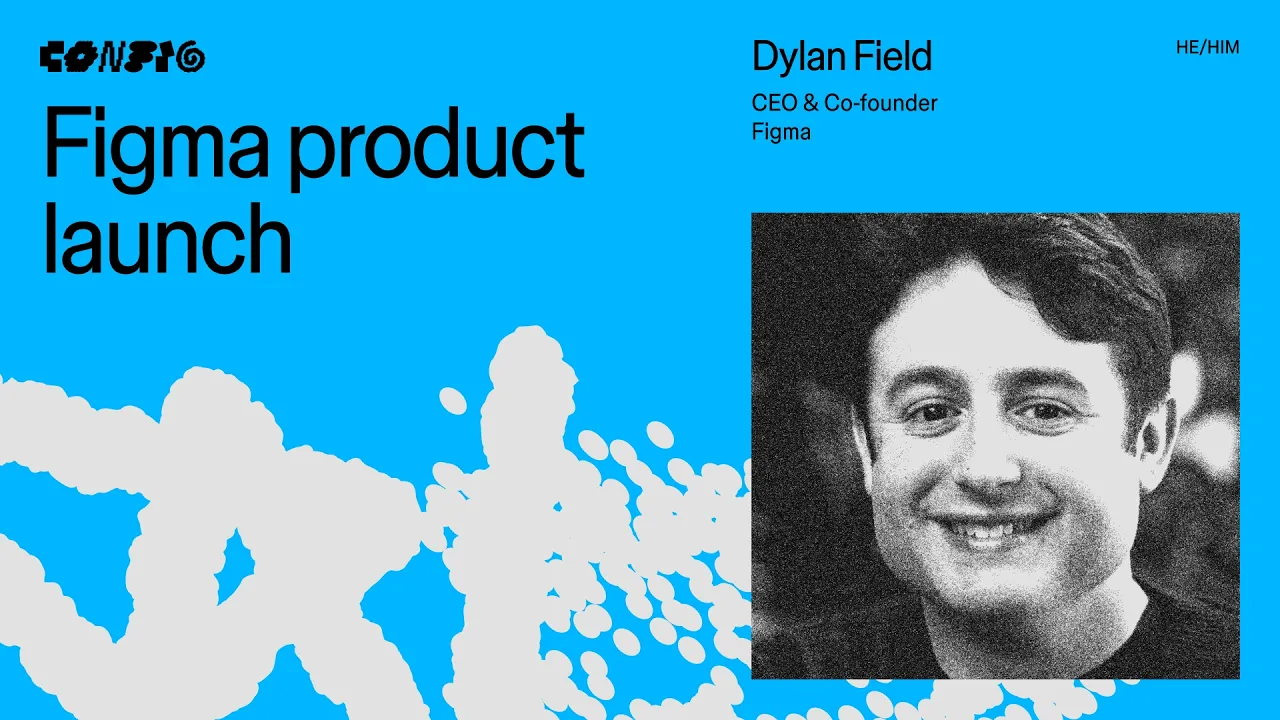
The recording above captures one of the talks we returned to after the event. It is a useful companion to the day because it makes the same case we heard over and over again: tools can speed up coordination, but they cannot replace the care required to work well together. That care shows up in the quality of a brief, the patience to listen, and the willingness to make the next step understandable for someone else.
We came back with fewer slogans and better questions. For us, that is the most valuable kind of conference outcome. The work now is to keep testing those questions in our own routines, invite the team into the conversation, and share what we learn as we go.